Death Cleanup
After a person dies at home, cleanup addresses fluids, odors and belongings that were affected.
See death cleanupSort, pack and remove belongings from a home, apartment, garage or storage area in Union Station after a death. Important documents and keepsakes are set aside under your instructions.

After someone dies, an estate cleanout means systematically sorting, packing and taking away that person's possessions once the family or authorized legal representative decides the property is ready to be emptied.
A cleanout may cover an apartment or house as well as its attic, garage, outbuilding or storage unit. You approve how personal belongings are grouped, including what to retain, examine as documents, donate, recycle or discard as normal waste. After furniture and appliances are taken out, each room can remain vacant for whatever comes next.
Death cleanup and estate cleaning are separate kinds of work. When no bodily fluids reached the home after a person died there, careful sorting and a general cleanout may be all that is needed. An unattended death, blood that can be seen, significant odor or contaminated contents requires biohazard cleanup first. Only afterward should workers sort nearby spaces, which helps protect relatives and others who enter the area.
Belongings people could miss also deserve attention from a thoughtful cleanup service. Photographs, legal records, keys, jewelry, cash, medicine and family keepsakes belong in a separate group for you to inspect. Before the cleanup process starts, you can name priority items and make choices gradually when belongings are extensive.
Crews arrive in unmarked vehicles, protect common paths and keep boxes or bags from drawing unnecessary attention outside the property.
Pictures, papers, items of value and named keepsakes go into a distinct decision category instead of the general outgoing contents.
As you move forward, photographs, work details and invoices can help with discussions involving relatives, the estate representative or insurance companies.
The cleanout begins after you authorize the categories, priority belongings and removal scope. Work can wait whenever the family needs to make a choice.
When belongings must be cleared following a death, estate cleanout services give families, executors, landlords and property owners an orderly approach. Common examples are:
Biohazard remediation is completed in the affected area before belongings in safe areas are reviewed and removed.
When a death occurs with family present or in care, ordinary belongings in the home still need organized sorting, packing and removal.
The cleanout must account for building entry, lift use, vehicle space, neighbors and landlord requirements.
Tools, records, furniture, chemicals and boxes outside the main living space need to be sorted under the same approved plan.
Start by protecting the property and confirming who can make decisions for the estate. These steps reduce confusion before cleaning services or removal begin:
Call (888) 440-9227Estate cleanout prices listed by the veteranhauling.com cost guide are $1,000 to $3,000 when a smaller home has one to two bedrooms, $3,000 to $7,000 when a mid-size home has three to four bedrooms and $7,000 to $15,000 when a home is large or heavily furnished. For one truckload, its load-based junk removal range begins at $300 and ends at $800 according to that guide. The contents present, needed disposal and property access affect your price.
These national ranges are taken from published cost guides, rather than a property visit. You learn what your property will cost after the on-site assessment and before any work begins.
Ask about cost: (888) 440-9227Insurance may pay for cleanup related to a covered loss, but it does not automatically pay for routine work to clear an estate. If the policy does not apply, the owner or the estate often bears the cost.
Ask the insurance company whether the cause of damage is covered, whether biohazard or death cleanup is included and what records are required. Policy terms and the event affect coverage.
An authorized estate representative can consult a suitable financial or legal professional about using estate funds for cleanout costs. File invoices with removal records.
Homeowners or renters insurance, the estate or the property owner usually pays for this kind of cleanup. The Colorado crime victim compensation program helps only when a crime caused the loss.
Responsibility can depend on the lease, local rules and who controls the belongings. Before altering the unit or clearing a tenant's personal property, verify that you have authority.
A controlled estate cleanout starts by confirming entry and concludes with the final inspection of the property. At each point, you can approve the work and specify anything that must remain.
You or your representative checks each room, access point and priority item. Before belongings are sorted, suspected hazards and affected areas are identified.
The sorting categories follow your choices and may cover items to keep, discuss with family, set aside for intended donation, recycle, discard normally or dispose of separately.
Rather than being cleared out, IDs, financial records, photographs, keys, valuable items and named mementos go to a secure decision area.
General sorting stays paused while cleanup crews wear protective equipment, isolate the affected area and carry out the remediation process.
Your saved belongings receive clear labels and are packed according to room or group. Keeping documents and fragile objects separate from other contents makes them easier to inspect.
Workers follow a set removal path while carrying out approved furnishings, boxed contents and ordinary waste. Special items follow the correct waste disposal path.
Emptying each room makes it possible to clean leftover dust and routine grime. Odor removal is not finished until the source of every lingering smell has been found.
You can examine each cleared space, check the property set aside and identify repair or restoration services needed ahead of the transfer.
You can call anytime. You speak with an estate cleanout after a death specialist who outlines the process and schedules a start time with you.
While most belongings in an estate are not biohazardous, risks may still be present in the home and need identification before anyone starts sorting.
Professional cleanup may be needed before general belongings move when bodily fluids touch subfloor, carpet, furniture, drywall or padding, and the affected material may require regulated waste disposal.
A memory can be attached to any belonging. To move forward without rushing meaningful choices, use a saved-item list and manageable sorting batches.
Bodily fluids and blood can contain potentially harmful bloodborne pathogens. Material does not become safe simply because it dried. The CDC says hepatitis B can survive on surfaces for at least seven days.
Can you clean it yourself? If concealed contamination is discovered, a general cleanout crew should pause work. For a small amount of fresh blood on a hard, non-porous surface, use gloves and an EPA-registered disinfectant for the full contact time. The estate work should pause for professional biohazard cleanup if blood soaked into wood, textiles, carpeting or other absorbent material.
Before anything is considered waste, it needs sorting according to the plan you approved. Separate routes are needed for personal possessions, normal debris and hazardous material.
Only a person with the proper authority should approve access, sale, donation or disposal. A qualified local professional can explain the applicable estate and court requirements when ownership remains in question.
Under 29 CFR 1910.1030, the OSHA Bloodborne Pathogens Standard establishes training, protective gear and work practice requirements for workers with potential blood exposure.
Colorado treats waste that can cause infectious disease, including human blood and body fluids, as infectious waste. The Colorado Department of Public Health and Environment's medical waste rules apply to its handling, so it should not go in household trash. Household belongings, hazardous chemicals, electronics, needles and contaminated materials may each require a separate waste process.
Colorado has no statewide medical examiner. Death investigation is county-based, led mostly by elected county coroners, with a few counties using a medical examiner or coroner. Cleanup starts after police or the coroner release the scene. If the medical examiner, coroner or law enforcement has a role, begin no scene cleaning or removal before receiving release of the affected area.
Timing for an estate cleanout varies. A small home with light furnishings might be cleared in one work period, but several visits can be needed when a full house requires careful decisions by the family. Access restrictions, biohazard tasks and decisions that are not yet made take additional time.
The full estate cleanout after a death guide covers what is cleaned or removed, odor and air quality work, and the rules that apply in Colorado and Denver County.
Read the full estate cleanout after a death guideLocal population patterns, housing and site access may affect how containment and cleanup are planned.
If direct exposure occurs, the closest listed emergency option is Denver Health & Hospital Authority, about 1.9 miles away, not the cleanup site.
With Riverfront, Lower Downtown, and Union Station North close by, a complete address and entrance details keep the visit private and easy to find.
Because this is a neighborhood within Denver, cleanup access may depend on local parking, common entrances, or building management rules.
Ask on the call about cleanup options for neighboring communities and ZIP codes.
After a person dies at home, cleanup addresses fluids, odors and belongings that were affected.
See death cleanup
Decomposition cleanup and odor control are needed after a death goes unnoticed for several days.
See unattended death cleanup
Cleanup after a death that was found quickly, with care for the family home.
See attended death cleanup
Floors, underlying subfloors and furniture are cleared of decomposition fluids.
See decomposition cleanup
Air scrubbers, hydroxyl and ozone treatment support death odor removal at its source.
See death odor removal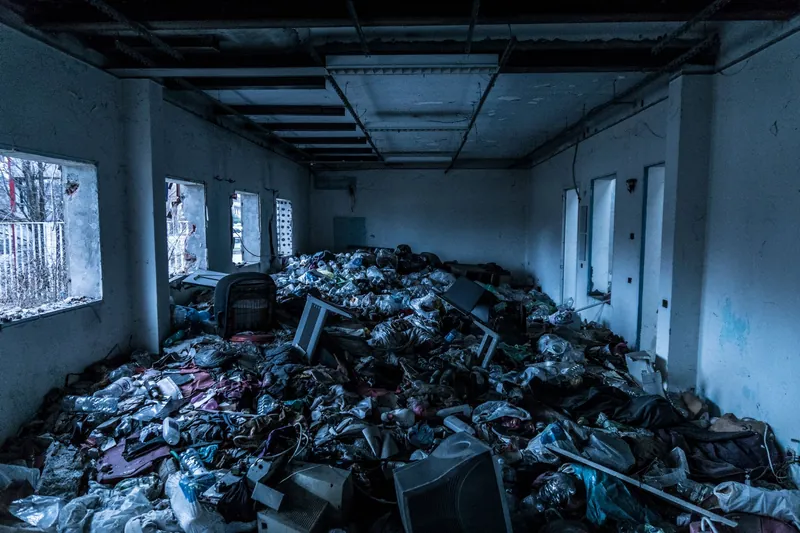
Deep cleaning, respectful sorting and removal are all part of hoarding cleanup.
See hoarding cleanup
During hoarder house cleanout, trash is hauled away as work progresses from room to room.
See hoarder house cleanout
Sealed containers with labels hold biohazard waste during collection and disposal.
See biohazard waste disposalNo. An estate cleanout centers on sorting contents and emptying the property. Contaminated materials, bodily fluids, odor sources and safe waste disposal are the focus of unattended death cleanup. For properties needing both services, the affected area undergoes biohazard remediation by cleanup crews ahead of any general estate work in safe parts of the property.
Legal authority can rest with the owner, executor, administrator, trustee or another person permitted to act. Who has authority depends on local steps and the governing estate documents. If family members disagree or authority is uncertain, pause removal and ask a qualified local probate professional before any personal property leaves.
You or an authorized representative should join the first walk-through, approve the scope and explain which belongings matter. After access and decision rules are clear, you may not need to remain for every part of the work. Schedule decision points for questionable belongings to keep removal from moving ahead of family choices.
Standard estate cleanout is not automatically included in a homeowners policy. Depending on its terms, the policy might cover cleaning tied to a covered event, including certain damage related to a death. Explain the event to the insurance company and check which policy conditions govern cleanup work, personal property and required records.
A cleanout may sort contents one room at a time, pack what you retain, secure records and valuables, and clear permitted furniture, appliances and regular trash. The service may include checking for hazards as well. General contents work in the affected area should wait for professional death cleanup if bodily fluids, blood or decomposition are present.
Do not keep sorting near the affected area. You should restrict access, never hand-pick loose sharp objects and ensure contaminated materials do not enter the normal waste stream. A professional cleanup assessment can establish the protective equipment, decontamination and waste disposal measures needed to restart nearby estate work safely.
Discreet, respectful estate cleanout after a death, 24 hours a day, with crews in unmarked vehicles.