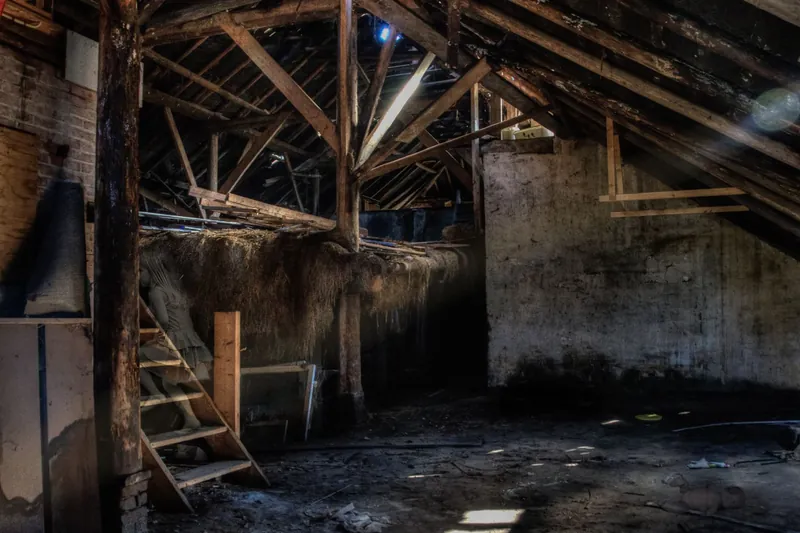
Bird and Bat Guano Cleanup
Bird and bat guano cleanup and disinfection in attics and structures.
See bird and bat guano cleanupGet mouse and rat droppings, urine, nests and soiled insulation removed from an attic, crawl space, garage or home in Union Station. Dry waste is wetted before removal to keep particles from spreading.
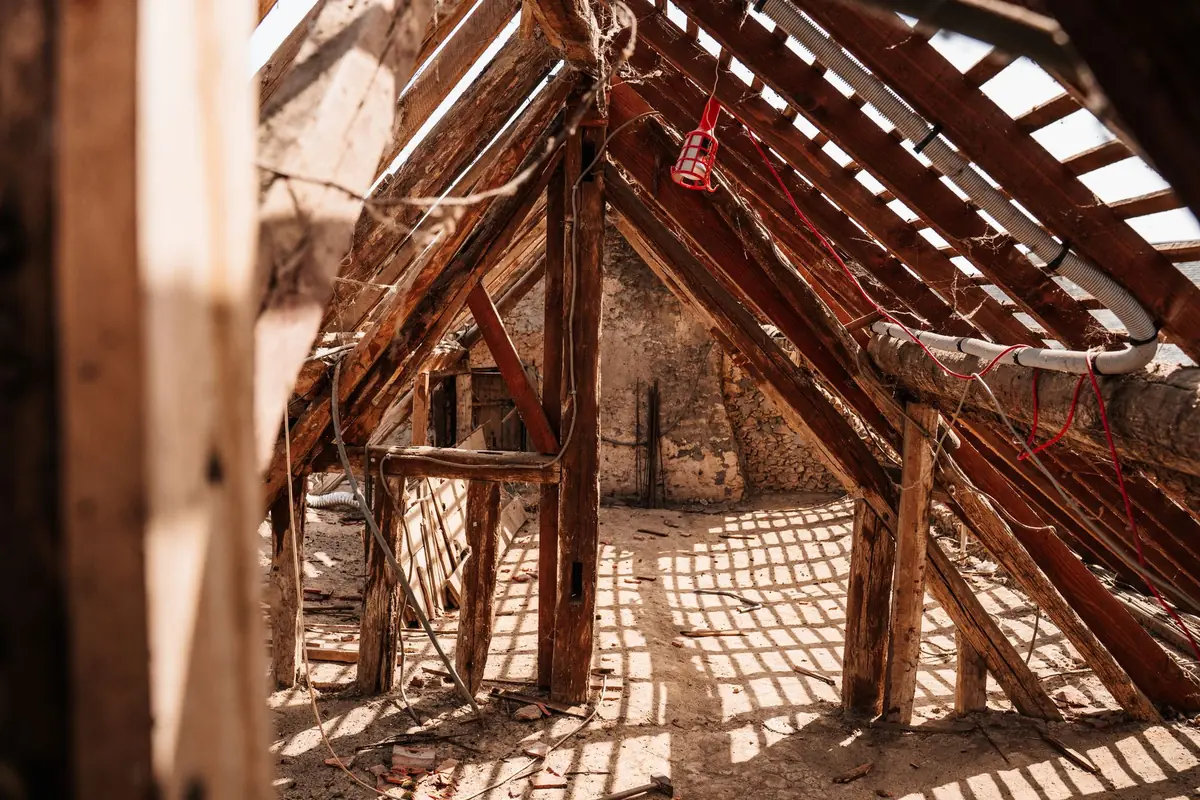
A rodent droppings cleanup uses controlled wet removal for mouse and rat waste, nests, urine and contaminated materials. It continues with surface cleaning, disinfection and odor treatment, then ends with an inspection of the affected space.
The work may cover an attic, crawl space, basement, shed, garage, cabin, pantry, storage room or living area. Cleanup technicians look beyond the visible pellets because urine, nesting material and debris can sit beneath insulation, behind stored boxes or along wall edges. This biohazard cleanup service focuses on the contamination left behind after rodent activity.
Although each property has different conditions, ordinary sweeping is not the cleanup method. No one should brush, blow or vacuum dry nests and droppings. Instead, suitable disinfectant wets the material and remains for all of its labeled contact time before disposable tools lift it. Sealed surfaces receive cleaning and disinfection, while soiled absorbent materials are assessed for removal. Preventing a new infestation also requires separate pest control and closure of entry holes.
Requested records for property owners, landlords or insurance companies can include photos, work-scope details and a removal inventory.
Day or night, calls are answered and crews can use unmarked vehicles for arrival. You can explain the situation without judgment and keep the work private.
Condition and material type guide how personal property is evaluated. Items are not discarded simply because storage placed them near the affected area.
Before work begins, you hear which areas will be treated, what may need removal and which conditions can change the scope.
Consider professional cleaning if the affected material covers a broad area, has entered porous items or cannot be reached easily. Situations commonly include:
Urine and feces found in a pantry, cupboard or commercial storeroom can reach containers and surrounding surfaces that contact food.
A cabin or seasonal home that sat closed may contain dusty droppings and nests across more than one room or storage area.
When storage stays closed, droppings and nesting debris can remain among damaged boxes and leave residue across hard surfaces and equipment.
Insulation, rafters, stored possessions and tight spaces with difficult access may all contain urine, nests and droppings.
Your priority while waiting for the cleaning service is to prevent airborne dry material and keep it from reaching clean parts of the property. Start here:
Call (888) 440-9227For planning, HazardPros gives $150 to $600 as its rodent cleanup benchmark. Its benchmark for disinfection and waste removal is $600 to $1,000. Attic cleaning that includes insulation replacement is benchmarked at $2,200 to $6,200. These ranges are not fixed quotes. Waste quantity, odor, insulation, access and area size affect the actual price.
These national ranges are taken from published cost guides, rather than a property visit. The price for your property is set after the on-site assessment, and you hear it before work starts.
Ask about cost: (888) 440-9227Coverage depends on your policy, the cause of the damage and whether the insurer views the condition as gradual pest damage or a covered event.
Notify the owner or property manager that contamination is present. Payment and cleanup arrangements depend on factors such as what caused the issue, what the lease says and which local requirements apply.
The commercial policy and lease should both be checked by the business. Keep employees and customers outside the affected area while cleanup and insurance coverage are assessed.
Your insurance company can explain if damaged insulation removal, cleanup and repairs fall within coverage. Coverage language is not uniform, and damage from long-term pest activity may fall under an exclusion.
A claim may be supported by pictures, receipts, detailed cleanup plans and records of everything taken out. Contact the insurer ahead of the work, if practical, to confirm its recordkeeping requirements. Clear records can help you move forward with the claim.
To keep dried waste from reaching nearby spaces, the rodent cleanup process uses a controlled order. First comes assessment, followed by wet treatment, removal and disinfection, with a final check at the end. You receive an explanation of the full process and what each part covers before it starts.
The inspection covers rooms, attics or crawl spaces, safe access and any affected droppings, urine, nests, insulation, vents and personal property.
Barriers divide the cleanup space from unaffected sections. Protective equipment is chosen for the space, and a controlled entry path reduces tracking through the property.
A closed space is aired out where this can be done safely. Crews avoid directing fans over rodent debris and restrict the controlled zone to people wearing proper equipment.
Nesting debris and rodent waste are soaked using an appropriate disinfecting product. The surface stays wet for the contact time on the product label before removal.
Damp waste is lifted with disposable tools and sealed as work moves section by section. Crews never sweep the debris, agitate it or pull it over unaffected flooring.
You approve the removal scope before crews bag insulation, cloth, boxes or other porous contents that cannot be completely cleaned.
An EPA-registered disinfectant remains on cleaned, reachable hard surfaces for the complete period specified by the label. Source material is taken away before work on air quality and odors begins.
A final check looks for remaining waste, contamination or smells. You receive a summary of the work and can plan separate pest exclusion or restoration services if needed.
Call any hour. Your rodent droppings and hantavirus cleanup specialist answers the phone, describes what happens next and works with you on a start time.
Health risks can be serious when rodent contamination is heavy, especially where a space is dusty or enclosed. Droppings, nesting material and urine may carry germs, while disturbing them dry can make contaminated particles airborne and expose you through breathing.
A badly affected area is not suitable for people with reduced immunity or existing breathing conditions. If you feel ill after exposure, tell a medical professional about the rodent contact.
Insulation, textiles, boxes and raw wood can absorb rodent urine. Cleaning only the visible droppings may leave hidden residue and odor in porous materials.
Some wild rodents carry hantaviruses. When contaminated nests, droppings or urine are disturbed, particles can enter the air and expose people. Avoid both sweeping and vacuuming dry debris.
Can you clean it yourself? A few droppings in an easy-to-reach area may be manageable with protection and the wet-clean method. When ventilation is safe, air out the space and put on gloves. Saturate the waste with disinfectant, wait through the labeled contact time, then wipe and seal it. Never sweep or vacuum dry. Call for professional cleanup when contamination is heavy, widespread, dusty, hard to reach or mixed through insulation and stored property.
Many sealed, hard surfaces can remain after cleaning. Removal may be necessary for absorbent items because urine, nesting debris or droppings can soak in and leave contamination below the top layer.
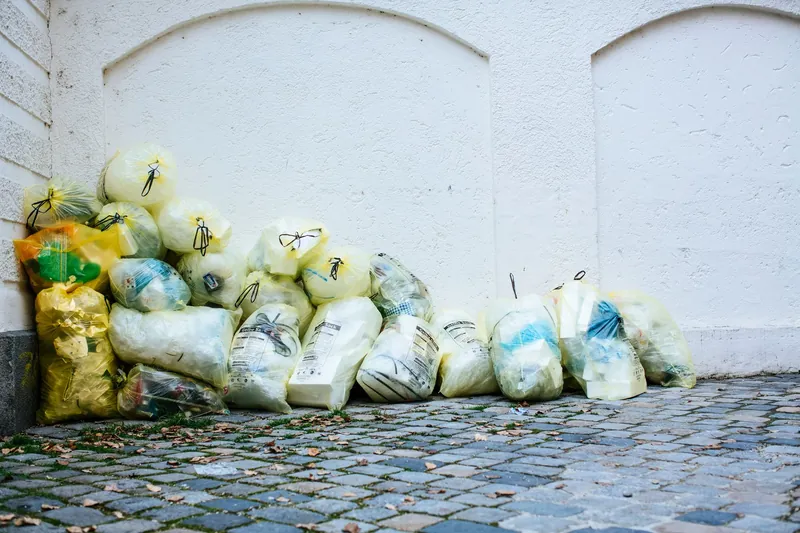
The CDC recommends cleaning rodent waste while wet. Disinfect nests and feces before collecting them. Do not vacuum or sweep dry waste because airborne particles can result.
Choose a product that works against the germ involved without damaging the treated material. Use the cleaner according to its label and wait for the full required contact time.
Exposure assessment helps employers determine proper work practices, instruction and protective equipment. For jobs involving occupational contact with blood or additional covered material, the applicable rule is OSHA Bloodborne Pathogens Standard 29 CFR 1910.1030 in the workplace.
How material must be discarded varies by location, waste category and building type. Rodent contamination should not automatically be treated as hazardous waste. Check local requirements when dead rodents, dirty insulation, sharp objects or other hazardous materials need special procedures.
A few hours may be enough for rodent cleanup in a small area with easy access. Work throughout an attic or crawl space often requires one to two workdays. More time may be needed when contamination is heavy, entry is difficult or much insulation must be removed.
The full rodent droppings and hantavirus cleanup guide covers what is cleaned or removed, odor and air quality work, and the rules that apply in Colorado and Denver County.
Read the full rodent droppings and hantavirus cleanup guideContainment, entry and cleanup plans can be influenced by local housing, population and access details.
If direct exposure occurs, the closest listed emergency option is Denver Health & Hospital Authority, about 1.9 miles away, not the cleanup site.
With Riverfront, Lower Downtown, and Union Station North close by, a complete address and entrance details keep the visit private and easy to find.
Because this is a neighborhood within Denver, cleanup access may depend on local parking, common entrances, or building management rules.
You can ask about cleanup in nearby communities and ZIP codes during the call.
Bird and bat guano cleanup and disinfection in attics and structures.
See bird and bat guano cleanup
Removal of dead animals and related odors covers walls, crawl spaces and ventilation ducts.
See dead animal removal and cleanup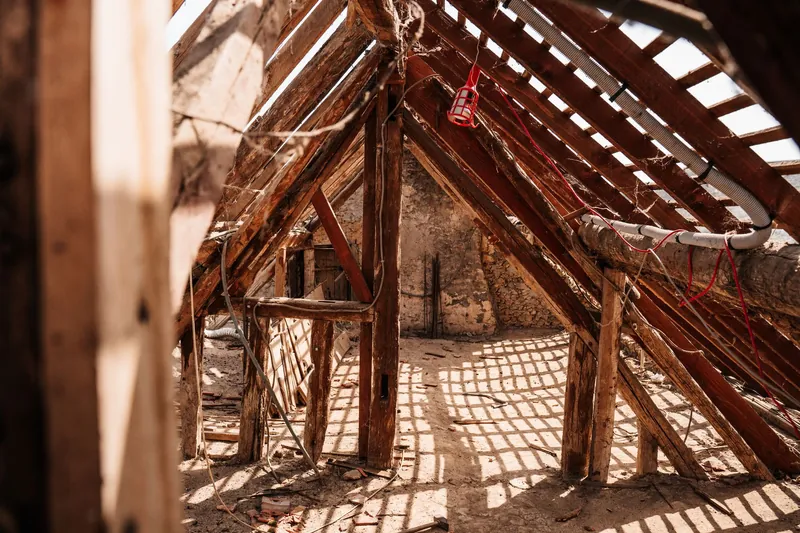
Urine-saturated materials, ammonia odor and waste are addressed through animal hoarding cleanup.
See animal hoarding cleanup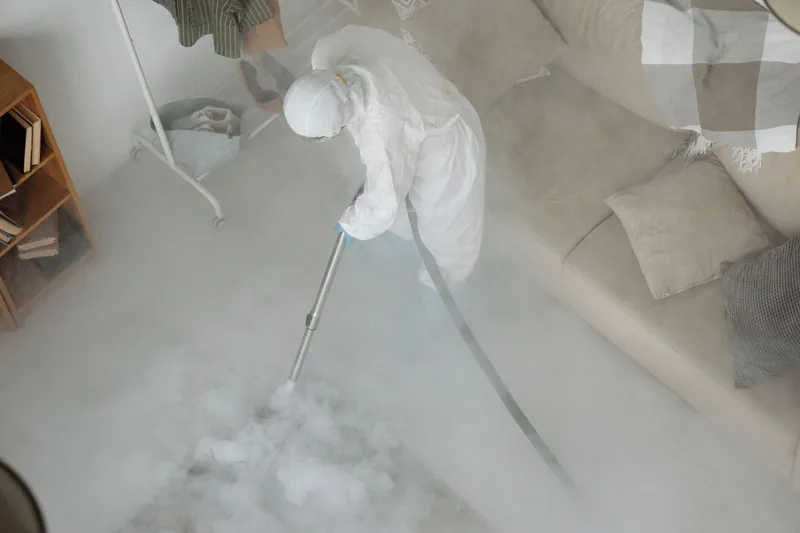
Complete decontamination treats the room, its surfaces and the air after a hazardous or infectious exposure.
See biohazard decontamination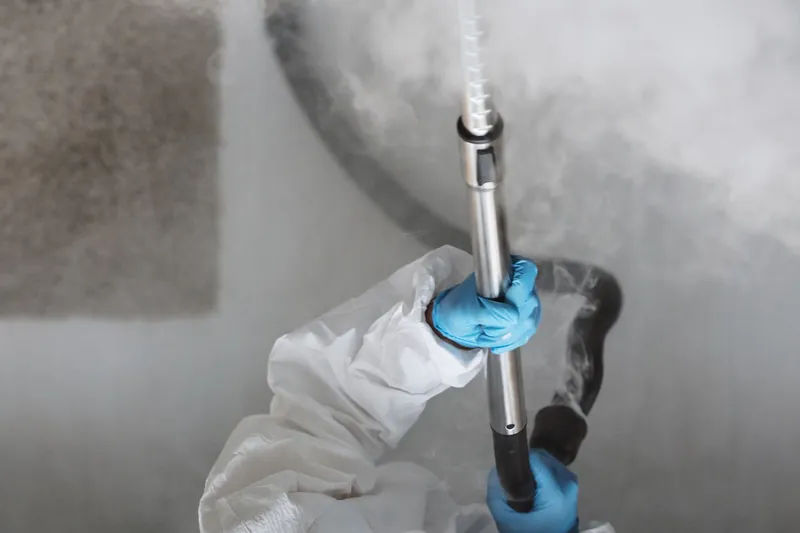
EPA-registered products are applied across all surfaces during infectious disease disinfection.
See infectious disease disinfection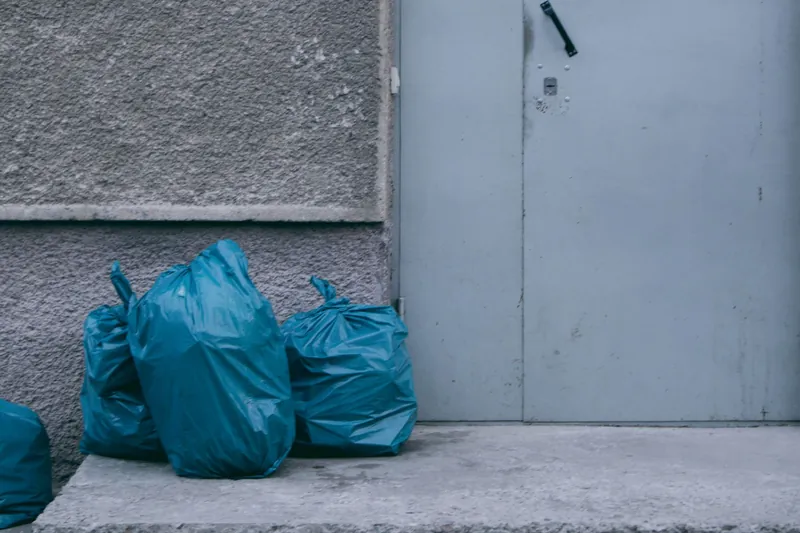
Filth and squalor cleanup for homes that have become unsafe to live in.
See filth and squalor cleanup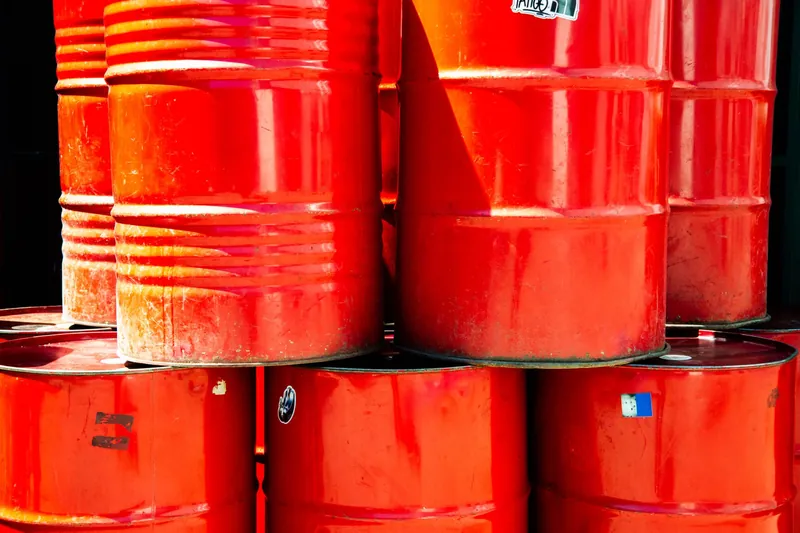
Sealed containers with labels hold biohazard waste during collection and disposal.
See biohazard waste disposal
Crawl space sewage cleanup addresses wet insulation and affected soil.
See crawl space sewage cleanupYour cleanup service may take droppings, nesting debris and soiled insulation out of the attic. Pest control usually addresses live rodents and entry points, while the cleanup service addresses what was left behind. Your questions should cover work-zone separation, removal methods and any restoration that must be arranged independently.
You may address limited feces when the location is accessible and safely ventilated. Use gloves, apply enough appropriate disinfectant to make the material wet and wait as long as the label requires before wiping and closing the waste in a bag. Avoid using either a vacuum or broom. Seek assistance for extensive waste, cramped access, affected insulation or health risks.
Health risks increase if dried nests and droppings become airborne after someone disturbs them. Never use sweeping, brushing, forced air or a vacuum on the droppings. Limited rodent waste in a reachable place can sometimes be cleaned damp using hand protection and a suitable disinfectant. Widespread, dusty or hard-to-reach contamination calls for professional cleanup.
No. Both common vacuuming and sweeping may disturb settled material, putting it into the air and carrying it farther. Keep others and animals outside the area. If ventilation is safe, air it out, then apply a suitable disinfectant and allow its full contact period before picking up debris with throwaway towels or tools.
No. Contaminated materials, feces, urine and nests are cleared during cleanup, but living rodents are not removed and access gaps are not sealed. Exclusion work and active pest control are independent services. Schedule evaluation and sealing of vents, holes and additional entry paths after cleanup, then look for any new rodent evidence.
Coverage differs according to the cause and your contract. A policy may exclude pest problems that developed over time but assess other causes under different terms. Before cleanup, ask your insurance company about coverage if circumstances allow. Discuss coverage for cleanup, affected insulation, repairs and records as separate items. Save your photographs, detailed scope and receipts to support the claim.
Discreet, respectful rodent droppings and hantavirus cleanup, 24 hours a day, with crews in unmarked vehicles.